What Are the “Must-Disclose” Items When Selling Your Home in 2026?
Hiding one thing from a buyer can derail your entire sale…and might even land you in legal trouble. Here’s what to disclose to protect your sale.

Find out the value of your home. The Washington housing market has changed. We can help you see how much your home value has increased. Discover Your Home's Value
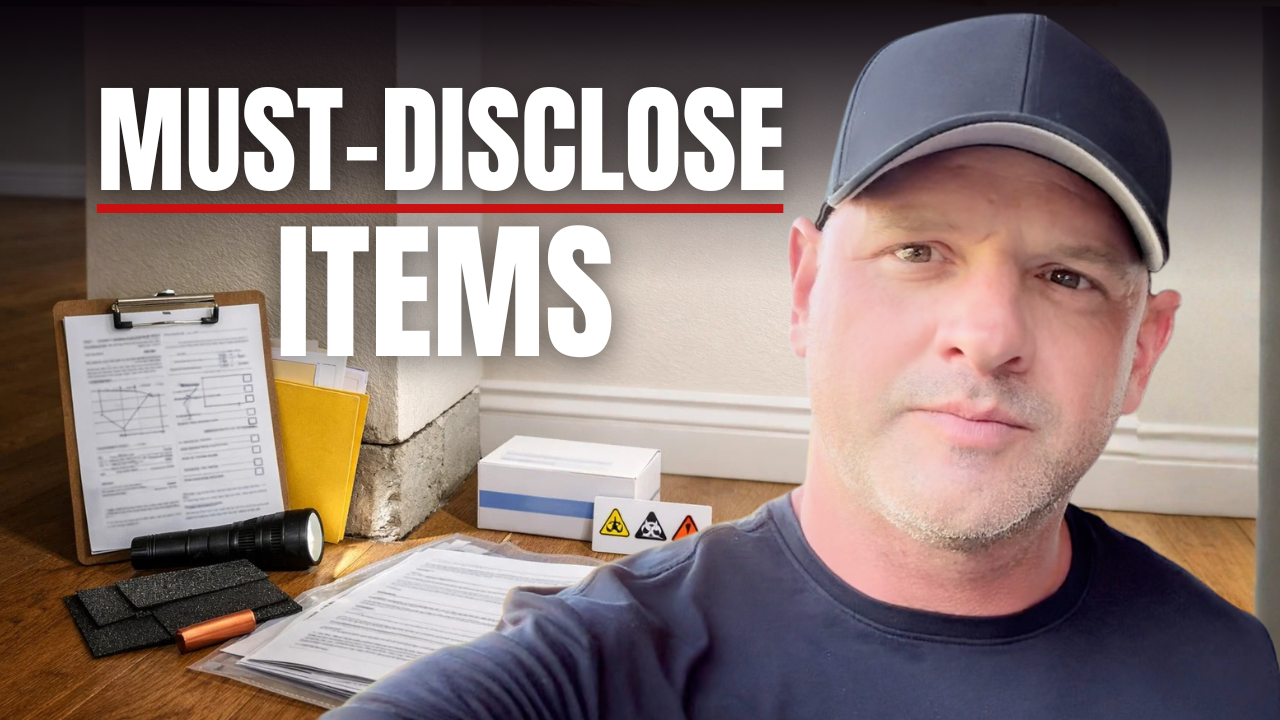
What are you legally required to disclose when selling a home? This is one of those things that is easy to overlook, but getting it wrong can create serious problems after closing. Being upfront from the start not only protects you legally but also makes the entire sales process smoother and builds trust with buyers.
To prevent bigger problems that could derail your sale, I’ll walk you through the key disclosures sellers need to know and why transparency is crucial.
1. Material defects. These are issues with the home that can affect its value or the safety of those living in it. These include foundation cracks, plumbing problems, or faulty electrical systems. Even smaller problems, such as roof leaks or water damage, can influence a buyer’s decision.
The general rule is simple: if it’s something a buyer would want to know before making an offer, it needs to be disclosed. Being clear about these issues upfront prevents surprises later in the process and helps keep the sale on track. Addressing material defects honestly also protects you from potential legal or financial consequences after closing.
2. History of repairs or renovations. If you have completed major work on your home, such as a kitchen remodel, a new roof, or updated systems, it’s important to share this information with buyers. Even when a licensed contractor handled the work, buyers will want to know about any permits, warranties, and problems that were corrected during the process.
This is especially important for high-value renovations that may influence the home’s future market value. Sharing these details also reassures buyers that the home has been properly maintained and cared for.
3. Environmental hazards. Things like lead paint, radon, asbestos, or molds must always be disclosed. In 2026, buyers are more informed than ever. Many are hiring environmental inspectors to check air quality and possible contamination.
If you’re aware of any environmental issues, it’s essential to disclose them, even if they seem minor. Failing to do so could result in lawsuits or canceled contracts. When you are unsure whether something should be disclosed, consulting a real estate expert is the safest choice.
By sharing these must-know disclosures, you can avoid legal headaches and make the entire process run more smoothly. Being transparent is not just a legal requirement; it’s also a way to build trust with potential buyers.
Whether you’re ready to sell now or just starting to think about it, I can guide you every step of the way. Reach out today to book a free consultation. I’ll make sure your home sale goes as smoothly as possible.
Want to work with us? Here are some ways to get involved.
-
What’s your home worth? The Washington housing market has changed. We can help you see how much your home value has increased. How Much Is My Home Worth?
-
Search Washington State homes. Search the entire MLS for your Washington home. Search the MLS
-
Subscribe now to get our latest insights and tips to sell or buy a house. Latest Housing Market Insights